
Foreign investor fined $370k as ATO cracks whip on land banking
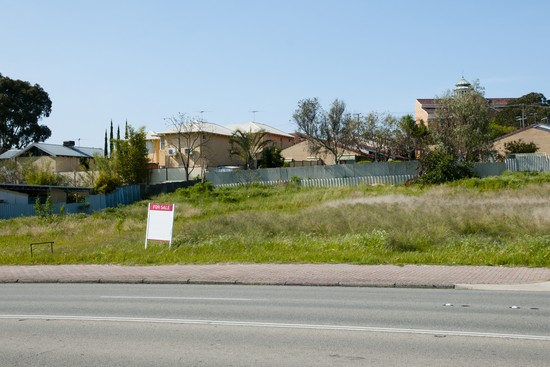
A foreign investor was fined $370,000 for land banking practices as the ATO tightens its screws on those who breach foreign investment rules.
The ATO said it is cracking down on foreign investors who break Australia’s “strict” foreign investment rules by land banking vacant land.
The Federal Court of Australia recently found that Guno Handojo breached the development conditions attached to its foreign investment approval after failing to construct a residential dwelling on vacant land within the required four-year time frame.
The court ordered Handojo to pay a penalty of $370,000. During the proceedings, the Federal Court also granted freezing orders over the land to prevent its disposal before the court’s outcome.
This matter is subject to appeal from Handojo.
The ATO identified this breach through its compliance program targeting land banking, including data matching and audits of foreign investment approvals. It noted that it uses extensive data and intelligence to identify foreign investors who fail to comply with the Foreign Acquisitions and Takeovers Act 1975 and the foreign investment framework.
Once the ATO completes an investigation under its compliance approach, it may direct a foreign person to take an action or actions that will result in compliance where they were previously breaching the foreign investment rules.
It may also issue infringement notices or penalties to foreign investors if they fail to comply with the rules, issue disposal orders requesting the investor to dispose of their investments in Australian residential property, review and revoke approval where the foreign investor has provided false or misleading information (or failed to provide important information) when seeking approval.
The ATO may also take further action by applying to the relevant court or tribunal to enforce compliance, as in Handojo.
Foreign investors who purchase vacant residential land are typically required to build within four years under Australia’s foreign investment rules to ensure land is “put to productive use” and contributes to housing supply.
ATO assistant commissioner Jennifer Moltisanti said Handojo’s case should warn foreign investors and their advisers, and welcomed the outcome.
“The ATO can and will use its powers to bring foreign-held land that has been illegally banked by foreign investors back into the housing market, which may include forced sale of the land,” Moltisanti said.
“Foreign property owners who think they can simply ignore their Australian legal responsibilities are sorely mistaken, and this court outcome demonstrates that.”
She also said this action demonstrates the ATO’s commitment to ensure compliance by foreign investors.
“Foreign investors and their representatives need to understand that buying residential land in Australia comes with clear and enforceable obligations.”
“Where foreign investors do not comply, we will take firm action, including court proceedings, to uphold the law and protect Australia’s national interests.”
While the ATO noted that it promotes voluntary compliance with the foreign investment rules, it warned that where foreign investors attempt to avoid or obstruct compliance – including by failing to develop approved land or obscuring beneficial ownership – they could expect stronger enforcement action to follow.
In its 2026–27 budget announced in May this year, the federal government said it will extend the temporary ban on foreign purchases of established residential dwellings until 30 June 2029. The ban was originally in place for two years from 1 April 2025.
“The extension of the ban will mean Australians will be able to buy homes that would have otherwise been bought by foreign persons, while encouraging foreign persons to boost Australia’s housing supply,” the government said.
It said current limited exceptions to the ban for purchases of established dwellings that support housing supply will continue. General exemptions from foreign investment screening will also continue to apply for purchases of established dwellings, including for permanent residents and New Zealand citizens.
The government said this measure is estimated to reduce tax receipts by $185 million over the five years from 2025–26 due to foregone revenue from foreign investment applications.
By: Malavika Santhebennur | 22 September 2026 | accountantsdaily.com.au